Coastal Seashell Design Review for Real Embroidery Projects
First Impressions: A Nautical Touch for Coastal-Themed Embroidery
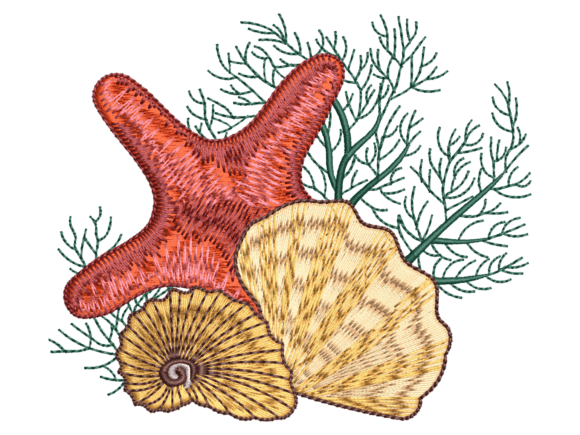
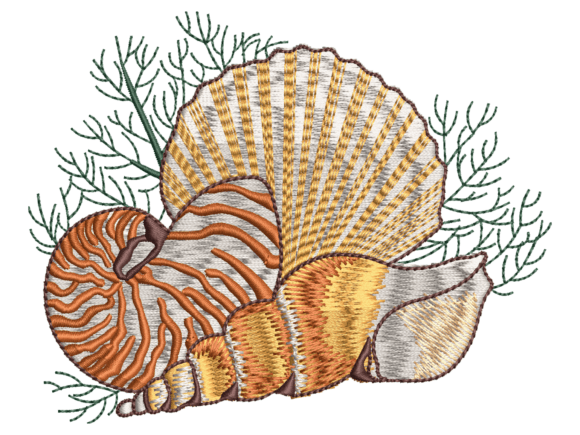
As an embroidery designer who frequently works on custom apparel and handmade gifts, the Coastal Seashell Design immediately caught my eye for its soft, ocean-inspired aesthetic. The design carries a gentle, flowing stitch pattern that mimics the delicate curves of real seashells, making it ideal for beach-themed projects like baby blankets, nursery decor, or boutique tote bags. From a visual standpoint, it offers a clean, nautical charm that feels both timeless and versatile.
What stands out first is the balance between detail and simplicity. The stitch work isn’t overly dense, which suggests it could perform well on lighter fabrics without puckering. The satin and fill stitch transitions are smooth, and the overall design feels cohesive—like it was digitized with care and attention to real-world embroidery needs.
Real-World Use: From Sweatshirts to Etsy Listings
I considered using Coastal Seashell Design for a custom tote bag order from a local boutique and also for a line of personalized baby gifts. The design’s compact size and elegant curves make it well-suited for smaller hoop sizes, which is a plus when working with limited embroidery space on items like caps, patches, or kitchen towels.
For custom apparel like sweatshirts or aprons, the design’s clean lines and open spaces mean it won’t overwhelm the fabric. It’s the kind of embroidery file that can be subtly incorporated into a larger layout or used as a standalone accent. On Etsy, where presentation and perceived value matter, this design could elevate a listing with a touch of coastal elegance.
Performance on Different Fabrics and Stabilizers
When testing Coastal Seashell Design on scrap fabric, I noticed that it performed best on stable, medium-weight materials like cotton canvas and twill. For stretchy fabrics like knit sweatshirts or baby onesies, I recommend using a lightweight cutaway stabilizer to prevent distortion. The satin stitch edges held up well, even on slightly textured fabric, which is a good sign for durability.
One thing to watch for is contrast in thread colors—especially on dark fabric. Since the design uses a mix of satin and fill stitches, subtle color shifts can affect the overall appearance. I tested it on both light and dark mockups and found that the design’s details were more pronounced on lighter backgrounds, so keep that in mind if you're creating printable mockups or product photography.
Small Details Matter: Thread, Stabilizer, and Stitch Density
While the design doesn’t feature intricate lettering or tiny details, it does have layered elements that could benefit from careful thread selection. I recommend reviewing the stitch density before embroidering on delicate or textured fabric to avoid unnecessary bulk. Also, test the design on scrap fabric first—especially if you're using it for curved surfaces like caps or layered items like embroidered patches.
For commercial embroidery use, I’d advise checking the licensing details directly on the Creative Fabrica product page before selling any finished items. It’s also a good idea to confirm the file formats included (ZIP or RAR) and ensure they’re compatible with your embroidery machine software. While this isn’t specified in the product description, always double-check before production.
Impact on Product Value and Customer Perception
From a branding and product presentation perspective, the Coastal Seashell Design can add a handcrafted yet professional touch to your handmade items. Whether you're creating personalized gifts or boutique merchandise, this design helps reinforce a cohesive coastal or nautical theme across your product line.
On customer-facing items like tote bags or nursery decor, the design enhances giftability and visual appeal. In product photography, especially for Etsy or social media, the soft curves and clean stitch lines photograph beautifully, which can help drive engagement and trust with buyers.
Practical Tips for Using Coastal Seashell Design
- Test on scrap fabric before embroidering on final products, especially stretchy or textured materials.
- Check thread color contrast on both light and dark fabric to ensure visibility and detail retention.
- Review stitch density to avoid puckering on delicate or layered fabrics.
- Confirm hoop size compatibility with your machine before starting a project.
- Use the right stabilizer based on fabric type—cutaway for stretchy materials, tear-away for stable cottons.
- Inspect small details after stitching, especially on curved surfaces like caps or layered patches.
- Verify file formats and licensing on the Creative Fabrica product page before using in commercial embroidery or resale items.
Final Thoughts: A Solid Choice for Coastal-Inspired Embroidery
Overall, the Coastal Seashell Design is a well-digitized embroidery file that offers both visual appeal and practical usability. It fits seamlessly into a range of handmade and commercial embroidery projects—from custom apparel to Etsy listings and boutique merchandise. Its clean lines, soft curves, and balanced stitch density make it a versatile asset for any embroidery designer looking to add a coastal touch to their design library.
If you're an Etsy seller, craft fair vendor, or apparel decorator working with nautical themes, this design is worth considering. Just remember to test it thoroughly on different fabrics and review all file and licensing details before incorporating it into your finished products.