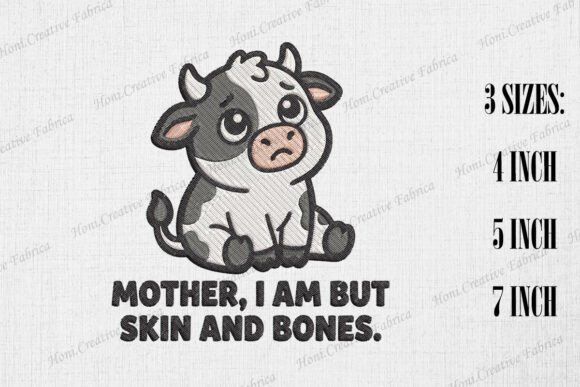
Funny Chubby Cow Embroidery Design Review
First Impressions: A Playful Yet Professional Design
As an experienced embroidery designer, the Funny Chubby Cow immediately caught my eye with its whimsical charm and clean visual appeal. While the name suggests a lighthearted, perhaps even humorous design, the structure and implied stitch quality suggest a design that balances playfulness with professionalism. This makes it especially suitable for small businesses in niches like nurseries, cafés, boutiques, or pet brands where a friendly and approachable brand tone is key.
The design appears to be crafted with attention to detail, which is essential when considering its use across a variety of merchandise—from embroidered patches to tote bags and staff uniforms. It feels modern yet has a touch of handmade warmth, making it versatile for both digital embroidery files and physical product applications.
Real Business Use: Versatile and Adaptable for Merchandise
Funny Chubby Cow stands out as a flexible machine embroidery design that can be used in a wide range of small business applications. Here's how it performs across common use cases:
- Embroidered patches: The design’s clear outlines and balanced proportions make it ideal for patch creation. It can be used as a standalone patch or integrated into a larger design layout for a boutique or handmade brand.
- Staff uniforms and aprons: Its friendly tone works well for casual environments like cafés, bakeries, or local shops where a warm, approachable image is desired.
- Cap embroidery: Depending on the file’s stitch density and hoop size, this design could serve as a fun front cap accent for staff or promotional giveaways.
- Tote bag design: With its bold and recognizable shape, this design can easily become a focal point on reusable tote bags, especially for eco-conscious or boutique-style brands.
- Product packaging accents: Embroidered labels or tags using this design could elevate handmade products, adding a branded touch that resonates with Etsy buyers or craft market shoppers.
- Custom apparel: Whether on t-shirts, onesies, or kitchen towels, the design’s adaptability to different fabric textures ensures it can maintain clarity and charm.
Where to Use with Caution
While Funny Chubby Cow has strong visual appeal, there are a few practical considerations for embroidery shops and merch creators:
- Small patch sizes: At reduced scales, intricate details may get lost. Always test the design at intended patch size before production.
- Curved surfaces: Cap fronts or rounded tote bag corners may distort the design’s proportions. Use printable mockups to visualize placement.
- Dark or textured fabrics: The design may require high-contrast thread colors to ensure visibility and clarity.
- High stitch density: If the file has dense stitching, it might not be ideal for thin or stretchy fabrics like baby onesies without proper stabilizer use.
- Frequent washing: For uniforms or aprons, ensure the thread colors and stitch quality can withstand repeated laundering without fading or fraying.
Impact on Brand Identity and Customer Perception
This design can significantly enhance brand identity when used strategically. Its playful nature helps create emotional connections with customers—especially for brands in the nursery, pet, or artisanal product space. However, it's crucial to maintain visual consistency across all branded items. Whether used on a staff cap or a product tag, Funny Chubby Cow should align with your brand’s color palette, tone, and overall aesthetic.
From a customer trust perspective, a well-executed embroidery adds a premium feel to merchandise. It signals attention to detail and craftsmanship, especially for handmade product sellers and Etsy brands. When used across multiple touchpoints—like tote bags, aprons, and packaging—it builds recognition and reinforces your brand presence.
Practical Notes for Embroidery Designers and Merch Creators
Before committing to full-scale production, here are some essential steps to ensure Funny Chubby Cow meets your business needs:
- Test in black and white first: This helps evaluate contrast and clarity before choosing thread colors.
- Check small patch compatibility: Run a sample at 2” or smaller to see if details remain sharp and legible.
- Review thread color contrast: Ensure the colors pop on both light and dark fabrics.
- Inspect spacing and alignment: Make sure no elements are too close or overlapping, especially for multi-color files.
- Confirm hoop size: Match the file’s hoop dimensions with your machine’s capabilities to avoid distortion.
- Test on real fabric: Use the actual material you’ll embroider on to check how the design holds up.
- Use proper stabilizer: Especially important for stretchy or textured materials to prevent puckering or distortion.
- Create a printable mockup: Show clients or stakeholders how the design will look on the final product before stitching.
- Compare with other design assets: Ensure this embroidery file works cohesively with your existing logo, fonts, and visuals.
- Confirm commercial licensing: Before using the design for resale or branded merchandise, verify that the digital embroidery file allows commercial use.
Final Thoughts: A Fun Design with Business Potential
Overall, the Funny Chubby Cow embroidery design is a smart choice for small business owners and embroidery professionals looking to add a touch of personality to their merchandise. Whether used as a branded patch, cap accent, or tote bag focal point, it offers a unique blend of charm and practicality.
Its nursery-friendly origins make it ideal for baby clothes, but with the right fabric and thread choices, it can easily be adapted for broader commercial embroidery projects. Just be mindful of scale, fabric type, and licensing before production—and always test before committing to large runs.
For Etsy sellers, crafters, and merch creators, this design is a versatile asset that can elevate your product presentation and help build a memorable brand identity. As with any digital embroidery file, success lies in how well you adapt it to your brand’s visual language and production standards.