Slice, Slice Baby: A Smart Embroidery Choice for Small Business Branding
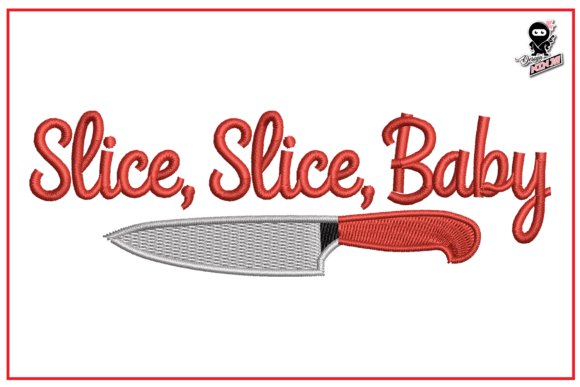
As an experienced embroidery designer, I'm always on the lookout for designs that balance visual appeal with practical application—especially when it comes to small business branding. Slice, Slice Baby caught my attention immediately. The name alone has a playful energy, and the product description hints at a design that’s versatile and creative. Let’s dive into how this machine embroidery design holds up in real-world business use.
First Impressions: Friendly, Modern, and Versatile
The name Slice, Slice Baby gives off a lighthearted, modern vibe. It feels like a design that could work equally well in a bakery, boutique, or even a pet brand. Based on the description, it's clear this is intended to be more than just decorative—it's a design that brings creativity and a personal touch to any project. Visually, I imagine clean lines, a touch of whimsy, and a layout that’s adaptable to different branding styles.
This isn’t a design that screams “rustic” or “elegant” but leans more toward a friendly, modern aesthetic that can be dressed up or down depending on the color palette and fabric it’s stitched onto. That makes it especially appealing for small business owners looking for something recognizable but not overly formal.
Real Business Use: Patch, Cap, and Tote Bag Potential
Slice, Slice Baby has strong potential across a variety of branded merchandise. Here’s how it might perform in different applications:
- Embroidered patches – The design’s likely open layout and moderate detail make it a good candidate for patches. It should hold up well when transferred onto uniforms, bags, or aprons.
- Cap embroidery – If the design includes a central graphic or stylized text, it could work nicely on the front of a cap. However, it’s important to test how it looks at smaller sizes and on curved surfaces.
- Tote bag branding – A tote bag is a perfect canvas for a design like this. Whether centered on the front or subtly placed near the handle, Slice, Slice Baby could elevate the look of a simple bag into a branded product.
- Apron and uniform accents – This design could work well as a chest or sleeve accent for staff uniforms or kitchen aprons. Its adaptability to different thread colors makes it ideal for matching brand palettes.
- Product packaging and event merch – When stitched onto small pouches or packaging accents, this design can help reinforce brand recognition. It’s also a solid option for limited-run event merch or customer gifts.
Where to Use Slice, Slice Baby with Care
While this design seems versatile, there are a few situations where caution is advised:
- Small patch sizes – If the design includes intricate outlines or lettering, it may not scale well to very small dimensions. Always test at the intended size before full production.
- Cap fronts and curved surfaces – These can distort the appearance of the design, especially if it has detailed elements or tight stitch density.
- Dark or textured fabrics – The contrast between thread and fabric can affect legibility. Be sure to test thread color choices on sample materials.
- Frequent-wash items – High stitch density may lead to stiffness or wear over time. Consider this when applying the design to uniforms or aprons that get heavy use.
Brand Identity and Visual Consistency
For small businesses, brand identity is everything. Slice, Slice Baby has the potential to become a signature element in your visual branding strategy. When used consistently across merchandise, it helps build customer trust and recognition. Whether it’s stitched onto a tote bag or embroidered on a cap, the design contributes to a cohesive, professional image.
Its modern, slightly playful tone also supports a handmade presentation without sacrificing quality. This is especially valuable for Etsy sellers, craft businesses, and local brands aiming to stand out in a crowded market while maintaining a polished look.
Designer Notes: Practical Steps Before Production
Before using Slice, Slice Baby for commercial embroidery or small business merch, here are some essential steps to ensure quality and client satisfaction:
- Test in black and white first – This helps identify any issues with contrast and clarity before committing to color.
- Check small patch performance – Resize the design to your intended patch size and review how the details hold up.
- Review thread color contrast – Especially on dark or textured fabrics, ensure your thread colors stand out clearly.
- Inspect spacing and stitch density – Tight spacing can cause puckering or stiffness, especially on thinner fabrics.
- Confirm hoop size compatibility – Make sure your embroidery machine can handle the design’s dimensions.
- Test on real fabric – Always stitch a sample on the actual material you’ll be using for production.
- Use proper stabilizer – This ensures clean stitching and prevents distortion on stretchy or thin fabrics.
- Create a printable mockup – Presenting a visual mockup to clients helps them envision the final product before stitching begins.
- Compare with other design assets – Ensure this design fits stylistically with your existing branding elements and other design assets.
- Confirm commercial licensing – Always verify that the digital embroidery file allows for commercial use before applying it to products for sale.
Final Thoughts: A Valuable Addition to Your Embroidery Portfolio
Slice, Slice Baby is more than just a catchy name—it’s a design with real potential for small business owners and embroidery professionals alike. Whether used as a branded patch, a chest logo, or a unique detail on a tote bag, it brings creativity and professionalism to your products. With thoughtful application and a few test runs, this machine embroidery design can become a staple in your embroidery portfolio and a go-to option for clients looking to elevate their brand presence.
If you’re an Etsy seller, apparel decorator, or creative business owner, Slice, Slice Baby offers a smart, stylish way to make your merchandise stand out—without overcomplicating the embroidery process. Just remember to test, review, and plan for real-world use, and you’ll be well on your way to creating a finished product that impresses both clients and customers.